Quantitative Analysis Reveals Widespread Dispersion of Radioactive Cesium-Rich Microparticles (CsMPs) Released from the Fukushima Daiichi Nuclear Accident
Journal of Hazardous Materials cover for the featured research paper

Overview

A research team led by Associate Professor Shinya Yamasaki of the Radioisotope Research Division, CRiES, University of Tsukuba, and Professor Satoshi Utsunomiya of National Taiwan University has published a new study in the Journal of Hazardous Materials. The findings were also featured in a press release issued by the University of Tsukuba.
※Press release document (PDF855KB)(Available in Japanese only.)
The study investigated the large-scale distribution and dispersion processes of radioactive cesium-rich microparticles (CsMPs) released during the Fukushima Daiichi Nuclear Power Plant accident. By analyzing soil samples collected from 100 locations across Fukushima Prefecture, the researchers found substantial regional variations in both the abundance of CsMPs and their contribution to total radioactivity. In some areas, more than 60% of the soil radioactivity was attributable to CsMPs.

Comparison with atmospheric dispersion simulations further revealed that large quantities of CsMPs were generated and released during the early hours of March 15, 2011, and subsequently transported over a wide area of Fukushima Prefecture under prevailing meteorological conditions. In contrast, radioactive plumes released after March 16 contained few CsMPs and were dominated by more water-soluble forms of radioactive cesium.

These findings improve our understanding of the environmental behavior of radioactive microparticles released during nuclear accidents and provide valuable information for future environmental risk assessments and dispersion modeling of radioactive contaminants.

Publication Information

Uncovering Hidden Dispersion Patterns of Radioactive Cesium-Rich Microparticles from Fukushima Daiichi
Miyazaki, K., Fueda, K., Kadowaki, M., Terada, H., Kozai, N., Iwata, H., Horie, K., Takehara, M., Yamasaki, S., Grambow, B., Law, G.T.W., Ewing, R.C., Utsunomiya, S., Journal of Hazardous Materials, 511, (2026), DOI:10.1016/j.jhazmat.2026.142180 (P-25-13)

Media coverage

Related Links

Selected for the “Japanese Society of Breeding Paper Award (2024)” by the Japanese Society of Breeding

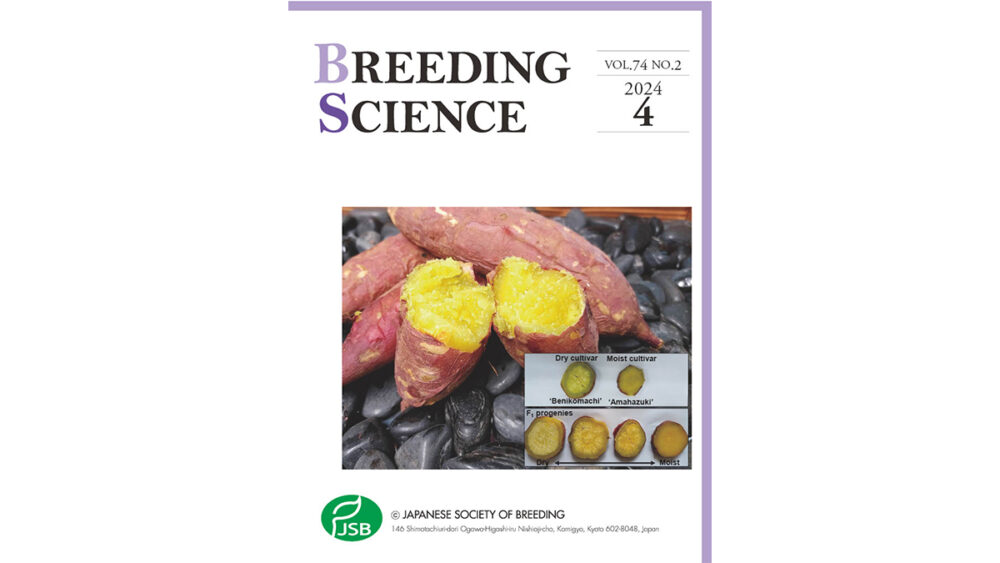
Journal of Breeding Science cover for the featured research paper

Overview

A paper authored by Dr. Yusaku Noda of the National Institutes for Quantum Science and Technology (QST), Associate Professor Jun Furukawa of the University of Tsukuba, and colleagues, titled “Single candidate gene for salt tolerance of Vigna nakashimae (Ohwi) Ohwi & Ohashi identified by QTL mapping, whole genome sequencing and triplicated RNA-seq analyses”, has been selected for the 2024 Breeding Society of Japan Paper Award.
This study explored genes related to salt tolerance in the wild species Vigna nakashimae, and identified the candidate gene POCO1 through a combination of QTL mapping, whole genome sequencing, and triplicated RNA-seq analyses. POCO1 is potentially involved in the ABA signaling pathway, and its discovery is expected to contribute to the development of salt-tolerant crops. We encourage you to take a look.

Publication Information

Single candidate gene for salt tolerance of Vigna nakashimae (Ohwi) Ohwi & Ohashi identified by QTL mapping, whole genome sequencing and triplicated RNA-seq analyses
Ito, M., Ohashi, H., Takemoto, M., Muto, C., Seiko, T., Noda, Y., Ogiso-Tanaka, E., Nagano, A.J., Takahashi, Y., Furukawa, J., Monden, Y., Naito, K., Breeding Science, 74(2), pages 93–102, 142180, (2024), DOI:10.1270/jsbbs.23053 (Y-19-05)

Related Links

Leaked Tritium Reveals the Source of 137Cs from the Fukushima Daiichi Nuclear Power Plant to the Ocean

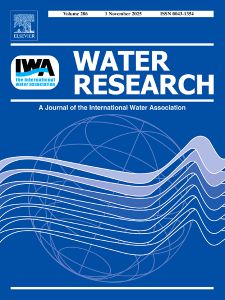
Journal of Water Research cover for the featured research paper

Overview

A research paper by a team consisting of Hikaru Sato, Professor Yuichi Onda and Professor Daisuke Tsumune from the University of Tsukuba, and Katsuhiko Kohata and Tomomi Okamura from Tokyo Electric Power Company Holdings, Inc. has been published and press released. ※Press release document (PDF 5.21MB)

This study identified the source and fluctuation factors of radioactive cesium-137 (¹³⁷Cs) flowing into the harbor of the Fukushima Daiichi Nuclear Power Plant via its drainage channels. By utilizing tritium (³H) in groundwater—originating from tank water leaks—as a hydrological tracer, the research revealed that approximately 50% of the ¹³⁷Cs originates from rainwater that fell on the reactor buildings, referred to as “roof drainage.”

Publication Information

Leaked Tritium Reveals the Source of 137Cs from the Fukushima Daiichi Nuclear Power Plant to the Ocean
Sato, H., Onda, Y., Tsumune, D., Kohata, K., Okamura, T., Leaked tritium reveals the source of 137Cs from the Fukushima Daiichi Nuclear Power Plant to the ocean, Water Research, 2025, DOI:10.1016/j.watres.2025.124464 (Y-24-01,Y-25-02)

Related Links

Diurnal regulation of SOS pathway and sodium excretion underlying salinity tolerance of Vigna marina

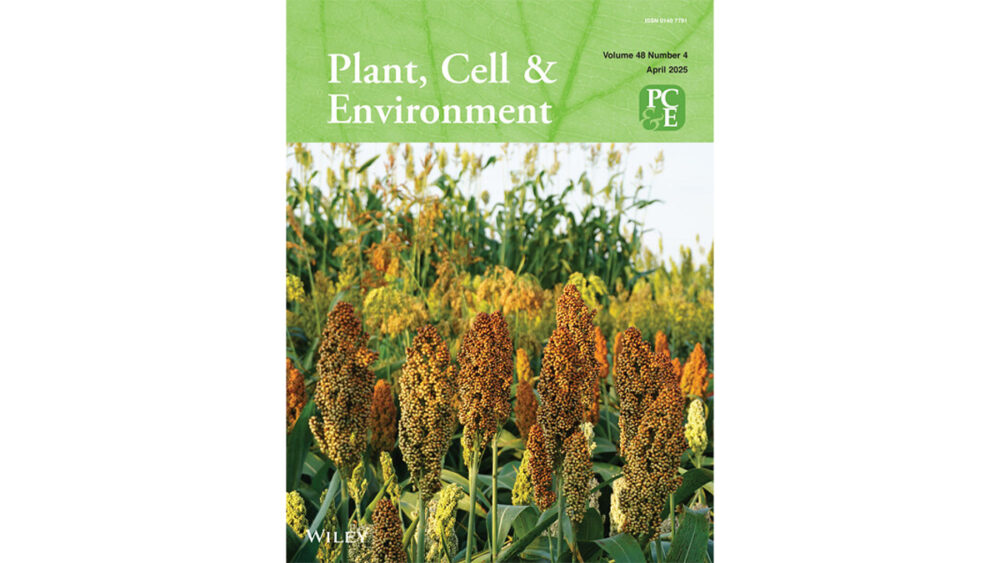
Journal of Plant, Cell & Environment cover for the featured research paper

Overview

A research paper by a team consisting of Researcher Yusaku Noda from the National Institutes for Quantum Science and Technology, Senior Researcher Ken Naito from the National Agriculture and Food Research Organization (NARO), Associate Professor Jun Furukawa from the University of Tsukuba, and Professor Keitaro Tanoi from the University of Tokyo has been published and jointly press released.  ※Press release (PDF 2.39MB)

This study elucidated the salt tolerance mechanism of Canavalia rosea, a wild relative of adzuki bean known for its exceptional resistance to salinity. The plant exhibits a high capacity to excrete sodium from its roots and forms a barrier that prevents sodium from entering the root system. Additionally, the sodium excretion was found to follow a diurnal rhythm—active during the day and inactive at night. These findings are expected to contribute to the development of salt-tolerant crops and may help address freshwater resource challenges.

Publication Information

Diurnal regulation of SOS pathway and sodium excretion underlying salinity tolerance of Vigna marina
Noda Y, Wang F, Chankaew S, Ariga H, Muto C, Iki Y, Ohashi H, Takahashi Y, Sakai H, Iseki K, Ogiso-Tanaka E, Suzui N, Yin YG, Miyoshi Y, Enomoto K, Kawachi N, Somta P, Furukawa J, Tomooka N, Naito K. Plant, Cell & Environment, 2024, DOI:10.1111/pce.15402 (Y-19-05)

Related Links

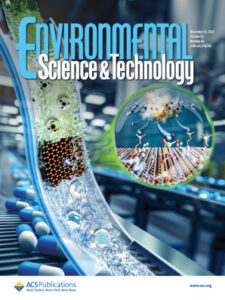
Effects of Large-Scale Wildfires on the Redistribution of Radionuclides in the Chornobyl River System

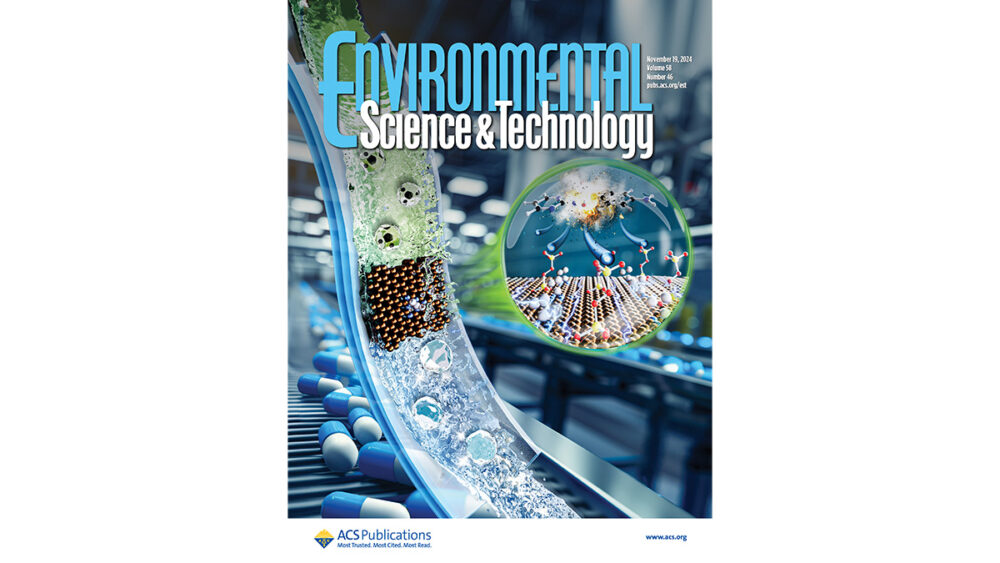
Journal of Environmental Science & Technology cover for the featured research paper

Overview

A paper by a research group led by Associate Professor Yasunori Igarashi of Tsukuba University and Project Professor Alexei Konoplev of Fukushima University has been joint press released.

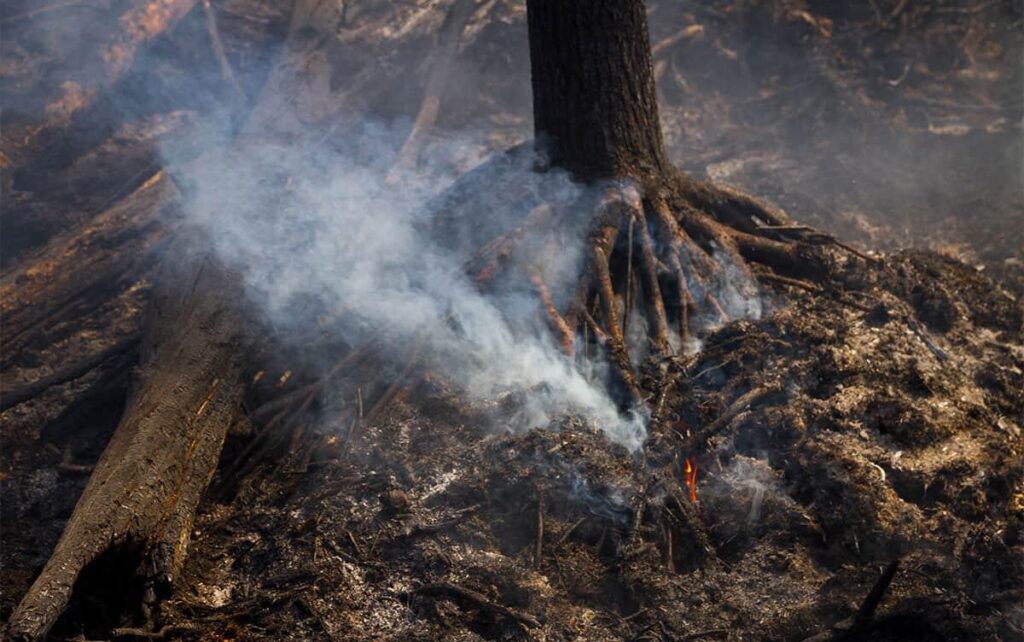
The study investigated the impact of a large forest fire in April 2020 in the Chornobyli controlled area of Ukraine on the redistribution of radioactive materials. After the fire, the abundance of 137Cs and 90Sr in carbonized residues and soil was identified, and long-term monitoring of concentrations in streams showed that the fire enhanced the redistribution of 137Cs and 90Sr. *Press release (PDF 404KB)

Publication Information

Effects of Large-Scale Wildfires on the Redistribution of Radionuclides in the Chornobyl River System
Yasunori Igarashi, Valentyn Protsak, Gennady Laptev, Igor Maloshtan, Dmitry Samoilov, Serhii Kirieiev, Yuichi Onda, Alexei Konoplev, Environmental Science & Technology, 2024, DOI:10.1021/acs.est.4c07019

Media Coverage

  • AGU Eos(2025年1月30日)
    Wildfires Raise Concern About Remobilized Radioactive Contamination
    Researchers collected soil and ash after the 2020 wildfires in the Chornobyl Exclusion Zone. Chemical tests suggested that the fires made it easier for contaminants to wash into nearby rivers.
Forest fire in the Chornobyl Exclusion Zone
Photo: Provided by Denis Vishnevskiy

Related Links

Riverine 129I dynamics during high-flow events on the Abukuma River in Fukushima

Journal of Applied Geochemistry cover for the featured research paper

Overview

A paper was published by a research group consisting of Associate Prof. Y. Wakiyama of Fukushima Univ., Assistant Prof. T. Matsunaka of Kanazawa Univ., and Associate Prof. K. Sasa of Tsukuba Univ., and was joint press released. ※Press release (PDF 489KB)

This study revealed that the concentration of iodine-129 in the Abukuma River is equivalent to the level before the Fukushima nuclear accident. In addition, this is valuable knowledge not only for the Fukushima nuclear accident but also for considering the global circulation of iodine-129.

Publication Information

Riverine 129I dynamics during high-flow events on the Abukuma River in Fukushima
Yoshifumi Wakiyama, Masumi Matsumura, Tetsuya Matsunaka, Shigekazu Hirao, Kimikazu Sasa, Applied Geochemistry, 2024, DOI:10.1016/j.apgeochem.2024.106134 (E-20-09、E-21-06)

Related Links

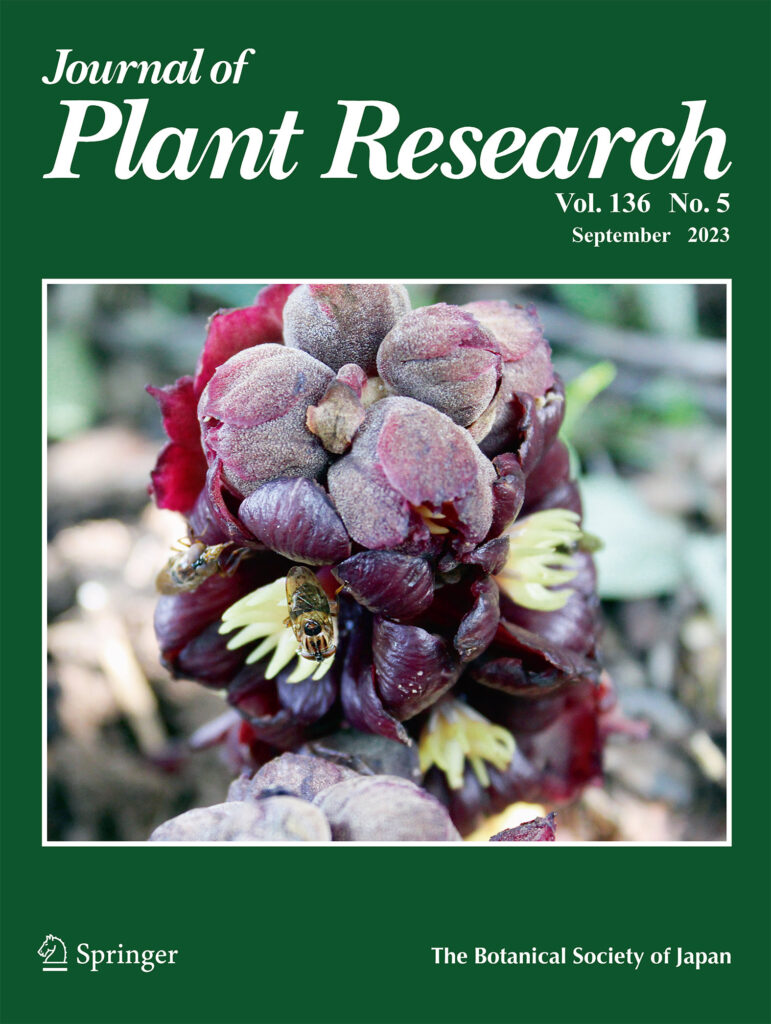
Selected for the “2024 Best Paper Award” by the Botanical Society of Japan

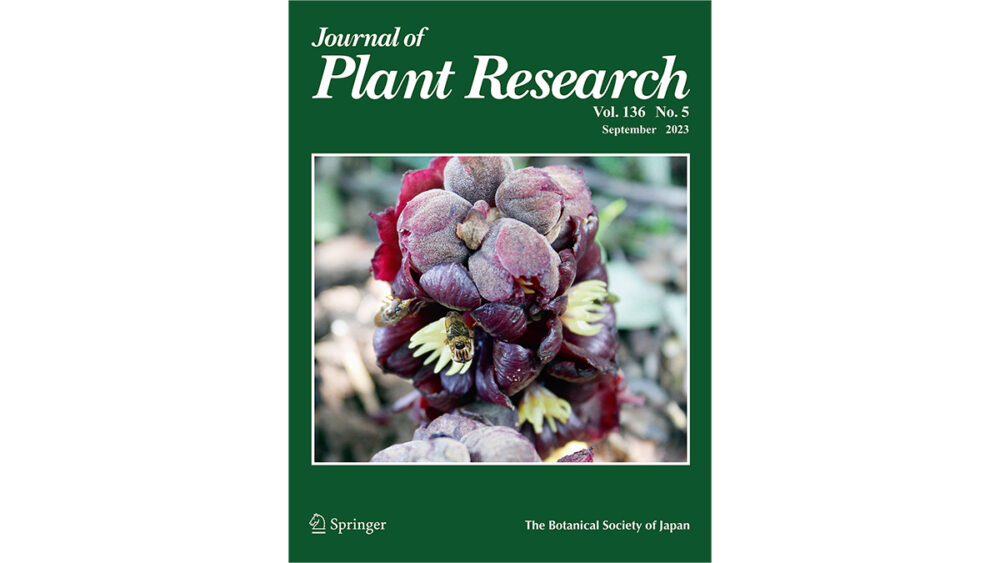
Journal of Plant Research cover for the featured research paper

Overview

The paper “Starch-dependent sodium accumulation in the leaves of Vigna riukiuensis” by Yusaku Noda of QST (National Institutes for Quantum Science and Technology), an ERAN researcher, and his collaborators was selected for the 2024 Best Paper Award by the Botanical Society of Japan.
The gist of the paper is that one of the salt-tolerant species, Vigna riukiuensis, accumulates high amount of sodium in the leaves and its tolerance was derived from the Na-trapping system by starch granules. Please take a look.             

Publication Information

Starch-dependent sodium accumulation in the leaves of Vigna riukiuensisYusaku Noda, Atsushi Hirose, Mayumi Wakazaki, Mayuko Sato, Kiminori Toyooka, Naoki Kawachi, Jun Furukawa, Keitaro Tanoi & Ken Naito, Journal of Plant Research, Volume 136, pages 705–714, (2023), DOI:10.1007/s10265-023-01470-8

Related Links

A wide-area prediction model for transpiration of cypress plantations using remote sensing

ISPRS Journal of Photogrammetry and Remote Sensing cover

Overview

A paper and research content by ERAN 2023 member Prof. Takashi Gomi of Nagoya University, Prof. Yuichi Onda of the University of Tsukuba, Asahi Hashimoto, and others was released in the press. PRESS RELEASE (PDF) 

Publication Information

Satellite remote sensing model for estimating canopy transpiration in cypress plantation using in situ sap flow observations and forest inventory
Hashimoto, A., Chiu, C., Onda, Y., Tateishi, M., Tsuruta, K., Gomi, T., ISPRS Journal of Photogrammetry and Remote Sensing, 2023, DOI:10.1016/j.isprsjprs.2023.11.009 (P-23-04)

Related Links

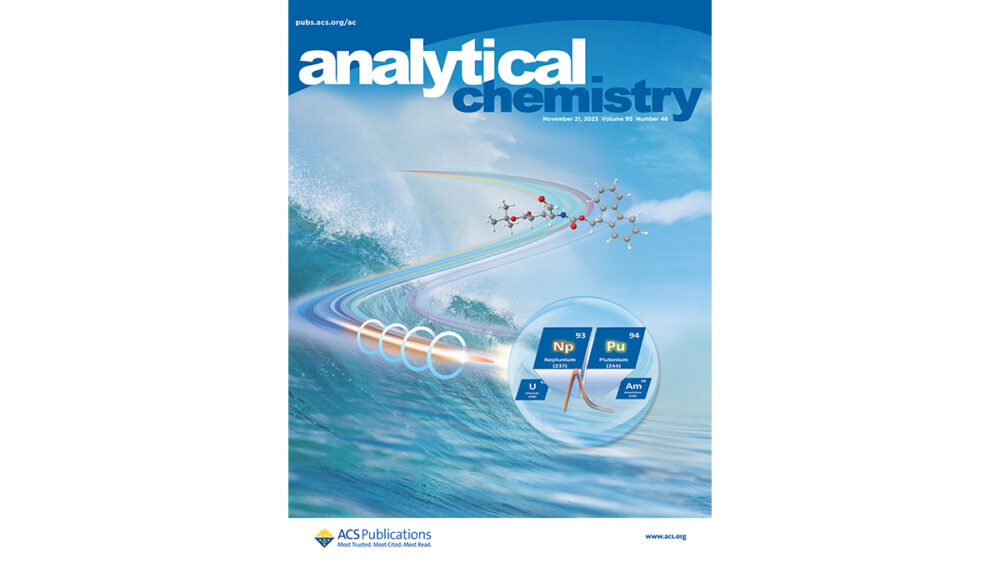
Selected as the cover of the journal “Analytical Chemistry”

analytical-chemistry-cover

Overview

A paper titled “Rapid Method To Determine 137Cs, 237Np, and Pu Isotopes in Seawater by SF-ICP-MS” published by ERAN member was selected as the cover of the journal “Analytical Chemistry”.
The gist of the paper is that they established a chemical separation method for minute amounts of artificial radionuclides Np, Pu, and Cs in seawater, and succeeded in quantifying the concentration of Np-237 in Pacific seawater off the coast of Fukushima for the first time in the world. Please take a look.

Publication Information

Rapid Method To Determine 137Cs, 237Np, and Pu Isotopes in Seawater by SF-ICP-MS, Shuai Zhang, Zhiyong Liu, Guosheng Yang, Jian Zheng, Shaoming Pan, Tatsuo Aono, and Aya Sakaguchi, Anal. Chem. 2023, 95, 46, 16892–16901, DOI:10.1021/acs.analchem.3c02702

Related Links

A paper was published in “Scientific Data”

Scientific Data cover

Overview

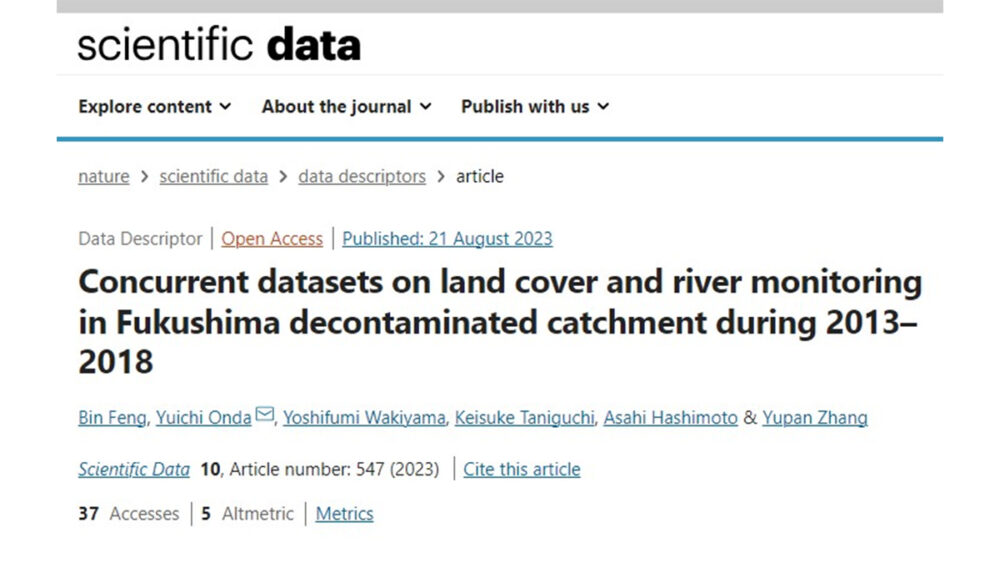
The paper “Concurrent datasets on land cover and river monitoring in Fukushima decontaminated catchment during 2013–2018” by Dr. Bin Feng and Professor Onda of the University of Tsukuba was published.【DOI】10.1038/s41597-023-02452-0
This paper is based on four datasets published by ERAN Database in 2022.
They introduce all leaked data, GIS vector data, and remote sensing data from the paper published in Nature Sustainability.

Publication Information

Concurrent datasets on land cover and river monitoring in Fukushima decontaminated catchment during 2013–2018
Feng, B., Onda, Y., Wakiyama, Y., Taniguchi, K., Hashimoto, A., Zhang, Y., Scientific Data, 2023, DOI:10.1038/s41597-023-02452-0

Related Links

Publication

ERAN Database

  • DOI:10.34355/CRiED.U.Tsukuba.00146
    Dataset of particulate 137Cs at Niida river basin during the period from 2012 to 2018
  • DOI:10.34355/CRiED.U.Tsukuba.00147
    Dataset of water discharge and suspended sediment at Niida river basin downstream (Haramachi) during 2013 to 2018 and upstream (Notegami) during 2015 to 2018.
  • DOI:10.34355/CRiED.U.Tsukuba.00148
    Satellite images of normalized difference vegetation index (NDVI) in ordering decontamination regions (2012, 2013, 2014 and all) during the period from 2011 to 2018
  • DOI:10.34355/CRiED.U.Tsukuba.00155
    Vector maps of the ordering decontamination regions (2012, 2013, 2014) in Niida river basin

Related Research

  • Persistent impact of Fukushima decontamination on soil erosion and suspended sediment
    Nature Sustainability
    DOI: 10.1038/s41893-022-00924-6