FY2024 ERAN Kick-off Meeting Report

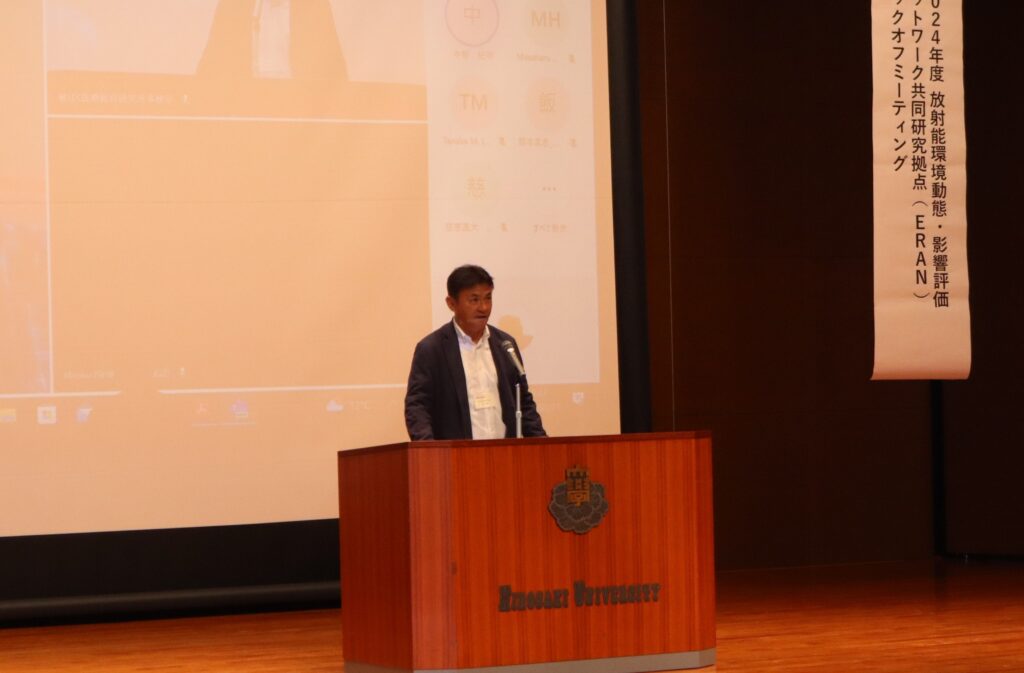
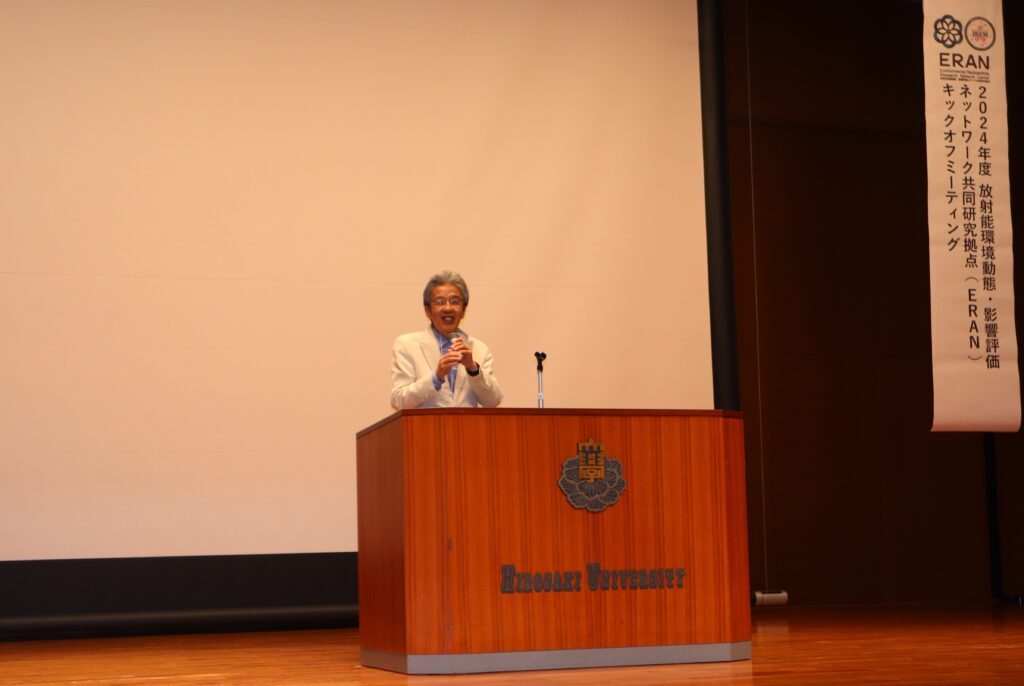
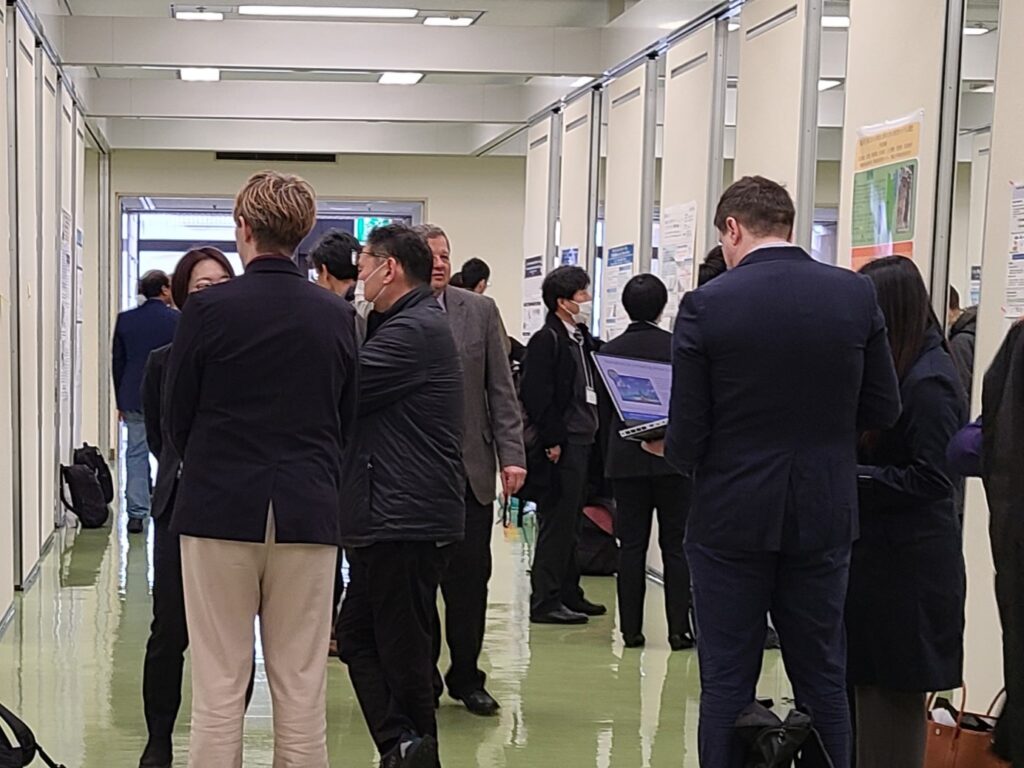
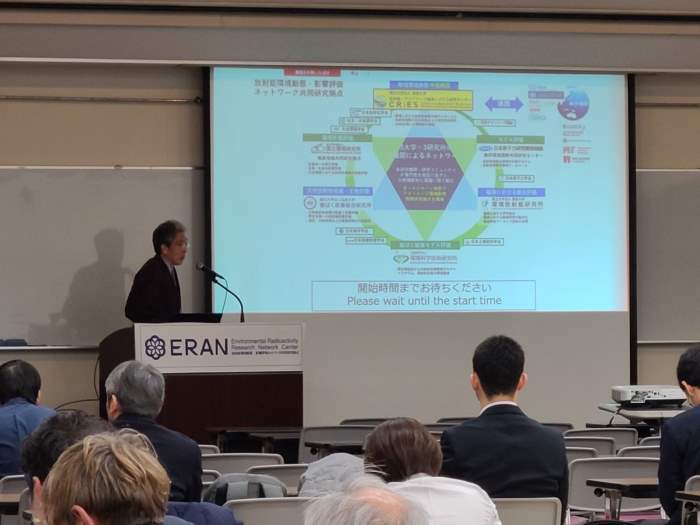
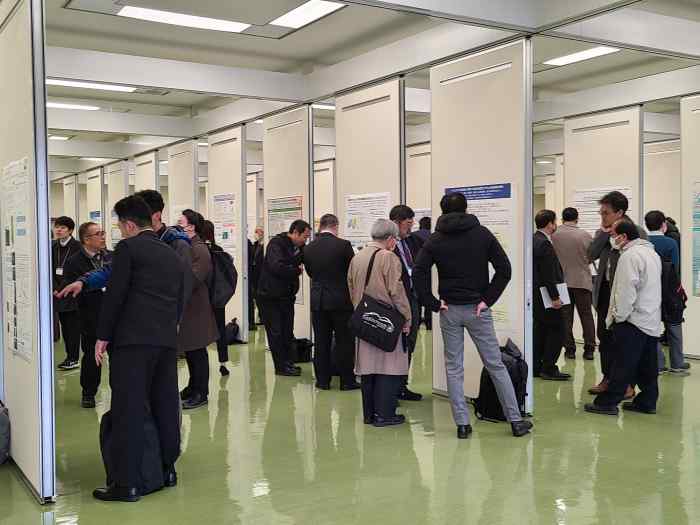
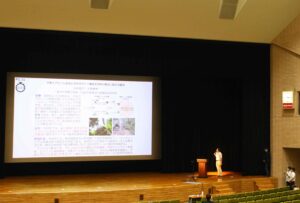
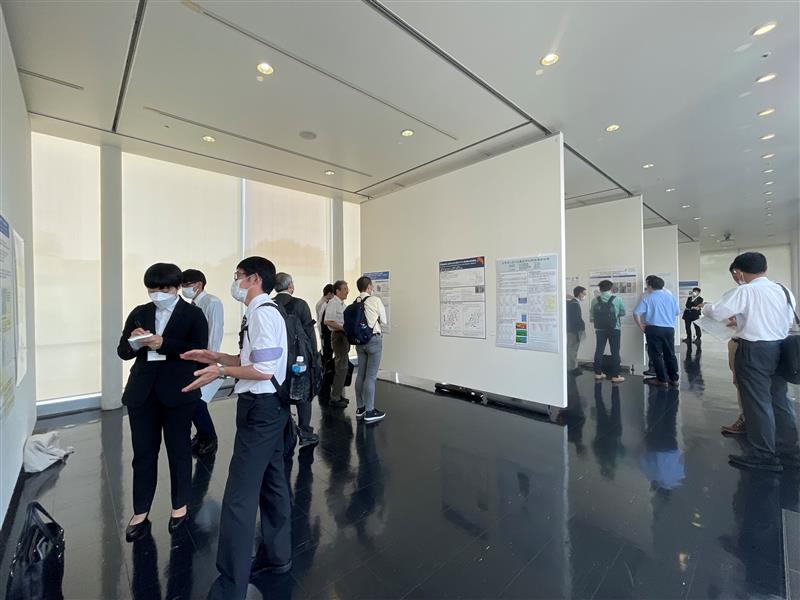
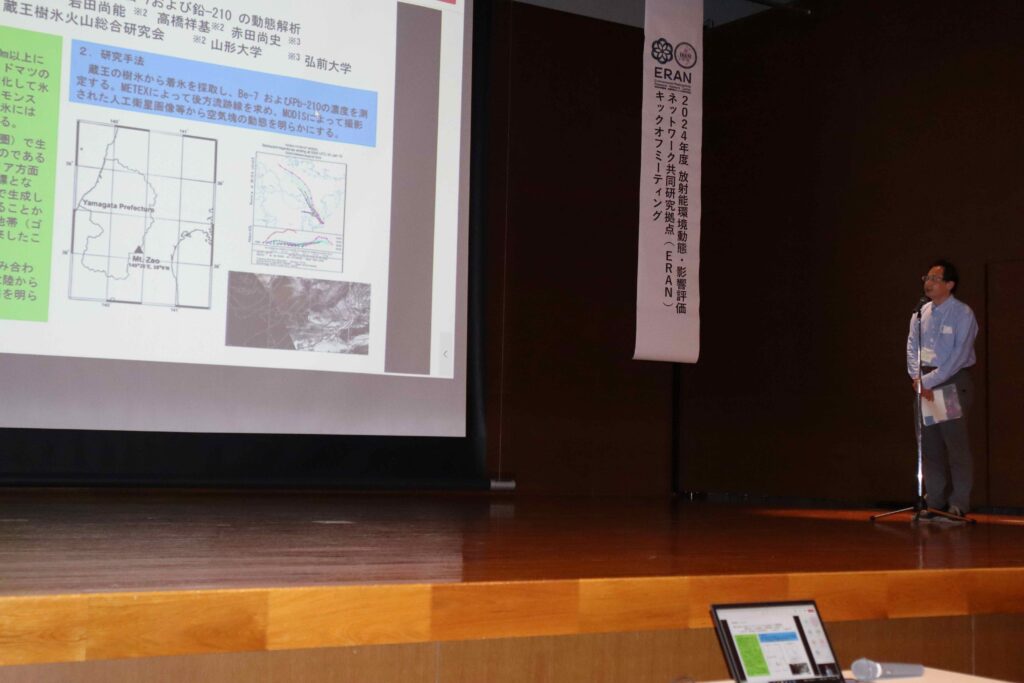
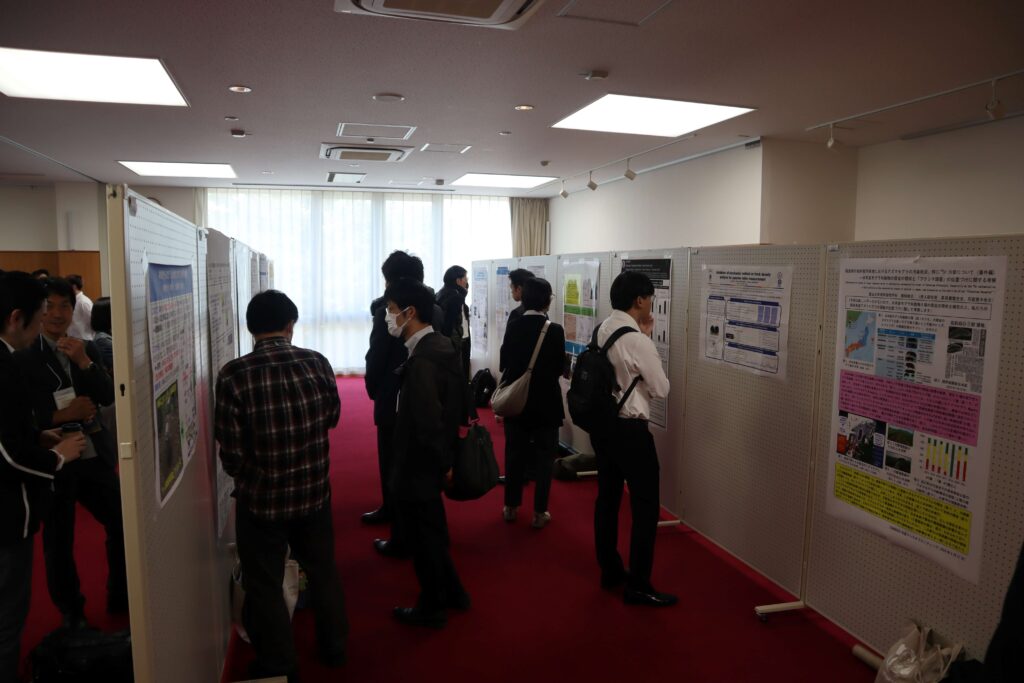
On Tuesday, May 21, the FY2024 ERAN Kick-off Meeting was held in a hybrid format at the Hirosaki University 50th Anniversary Hall in Hirosaki, Aomori, Japan.

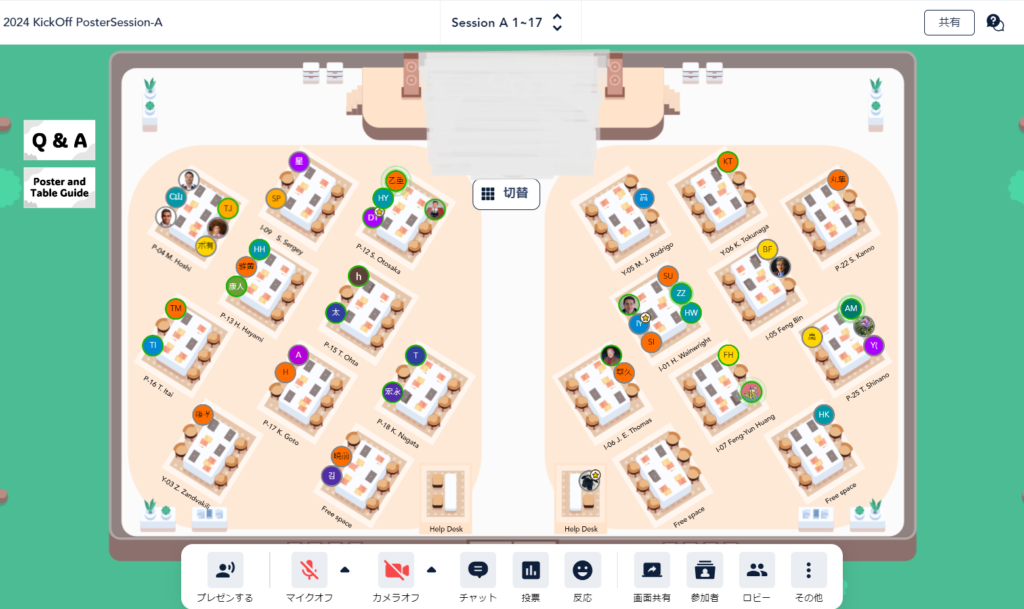
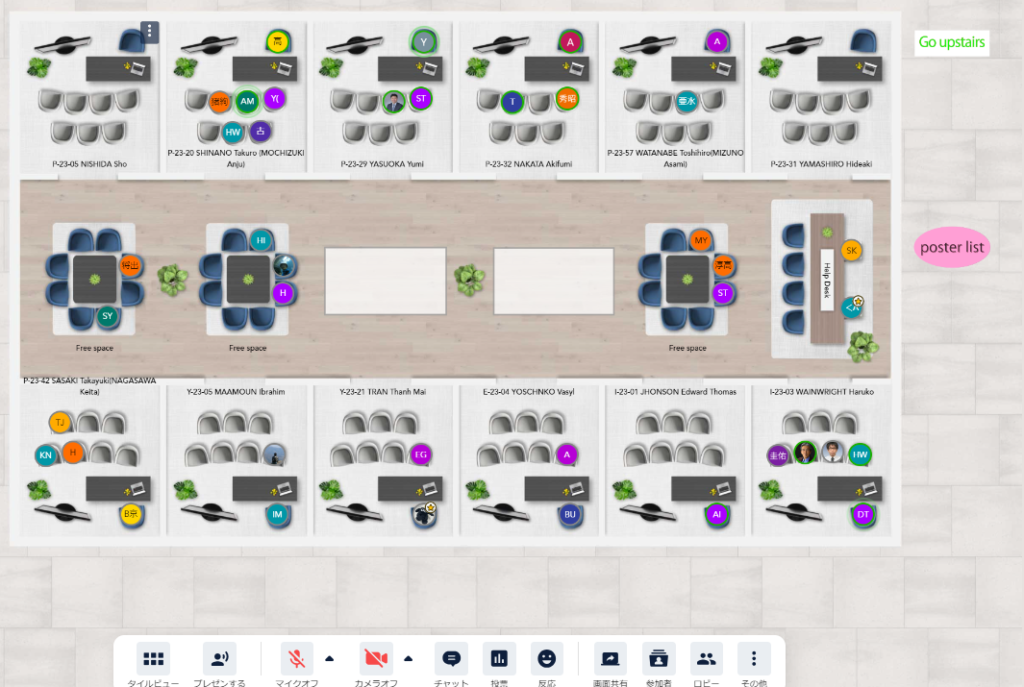
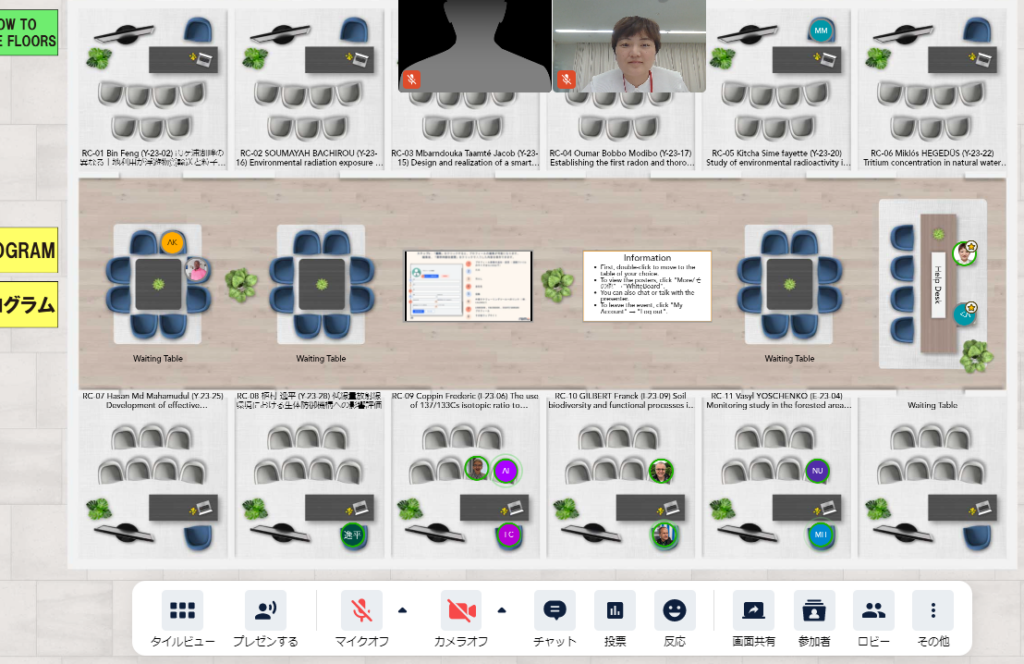
The meeting was attended by 85 participants on site. Among the online participants, 102 gave flash talks via Microsoft Teams, while a total of 148 participants joined the poster sessions via Remo, including those who participated on site. The meeting provided an excellent opportunity for active discussions and networking among participants.
FY2023 ERAN Annual Report Meeting Highlights

On Tuesday, February 27, the FY2023 ERAN Annual Report Meeting was held in a hybrid format at the Kenshin Koriyama Culture Center in Koriyama, Fukushima, Japan.

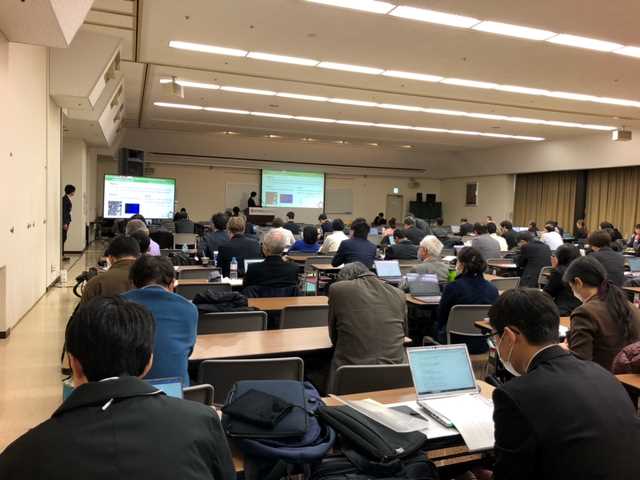
The meeting was attended by 124 participants on site. Among the online participants, primarily ERAN awardees from overseas, 67 gave flash talks via Microsoft Teams, while a total of 104 participants joined the poster sessions via Remo, including those who participated on site. During the meeting, the ERAN awardees presented the outcomes of their research projects.

Thanks to the cooperation and support of all participants, the FY2023 ERAN Annual Report Meeting was successfully concluded. We sincerely appreciate your continued support and look forward to your participation again next year.

Video Release: “Introduction to Environmental Radioactivity Monitoring in Forests”

“Introduction to Environmental Radioactivity Monitoring in Forests” Now Available on Suguwaka Academia

The video “Introduction to Environmental Radioactivity Monitoring in Forests”, featuring Prof. Yuichi Onda and Assistant Professor Junko Takahashi of the Center for Research in Isotopes and Environmental Dynamics (CRiES), University of Tsukuba, is now available on Suguwaka Academia, an online educational platform operated by the Inter-University Research Institute Corporation Council of Joint Usage/Research Centers. The platform aims to make cutting-edge academic research accessible to the general public.

Released on May 19, 2023

Lecture 74: Introduction to Environmental Radioactivity Monitoring in Forests

  • Prof. Yuichi Onda
    Director and Professor, Center for Research in Isotopes and Environmental Dynamics (CRiES), University of Tsukuba
  • Assistant Professor Junko Takahashi
    Center for Research in Isotopes and Environmental Dynamics (CRiES), University of Tsukuba
Click the image to watch the video.

Related Links

FY2023 ERAN Kick-off Meeting Report

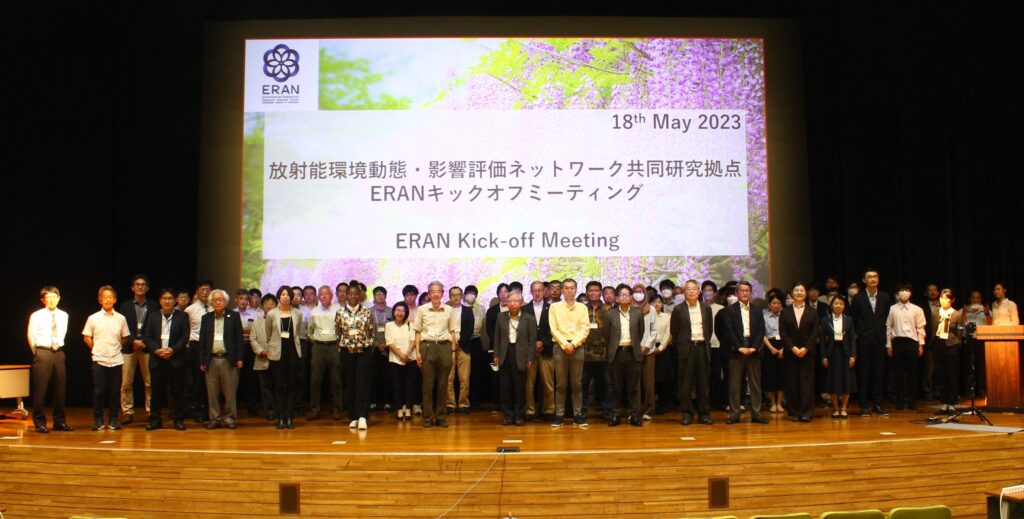
On Thursday, May 18, the FY2023 ERAN Kick-off Meeting was held in a hybrid format at the University of Tsukuba Auditorium and online.

The meeting was attended by 96 participants on site. The online flash talks delivered via Microsoft Teams attracted 98 viewers, while a total of 178 participants joined the online poster sessions via Remo.

Thanks to the cooperation and support of all participants, the FY2023 ERAN Kick-off Meeting was successfully concluded. We sincerely appreciate your continued support and look forward to working with you throughout this fiscal year.

On-site Participants

Announcement of the Establishment of the Center for Research in Radiation, Isotopes, and Earth System Sciences (CRiES), University of Tsukuba


On April 1, 2023, the Center for Research in Isotopes and Environmental Dynamics (CRiED) at the University of Tsukuba was reorganized and renamed the Center for Research in Radiation, Isotopes, and Earth System Sciences (CRiES).


Message on the Establishment of the Center for Research in Radiation, Isotopes, and Earth System Sciences


Until now, the University’s research organizations related to isotope science have independently carried out their research and educational activities. However, advancing our understanding of the environmental dynamics of isotopes requires expertise from a wide range of scientific disciplines. To address this need, it became essential to integrate these organizations and establish a comprehensive framework for research and education.

In addition to the existing Division of Isotope Research Infrastructure, Division of Environmental Transfer of Radioactive Materials, and Division of Environmental Prediction, the newly established Center also incorporates the Division of Applied Accelerator Science, Division of Radiation Medical Science, and Division of Isotope Space and Geochemistry. This integration will promote new research utilizing isotopes, including radiation medicine, accelerator-based studies of environmental change, and device development. It will also strengthen the Center’s research infrastructure and enhance education and training in radiation safety.

Research on the environmental impacts and environmental behavior of radionuclides released by the Fukushima Daiichi Nuclear Power Plant accident requires an interdisciplinary approach spanning multiple scientific fields. By establishing a cross-disciplinary data infrastructure, the Center is expected to play a leading international role in research on the environmental dynamics of radioactivity.

Furthermore, as a Joint Usage/Research Center, CRiES will provide a shared research platform for universities, research institutes, and related scientific communities both in Japan and abroad.

We sincerely appreciate your continued support and cooperation as we work toward the further development of the Center.


Yuichi Onda
Director
Center for Research in Radiation, Isotopes, and Earth System Sciences (CRiES)
University of Tsukuba

FY2022 ERAN Annual Report Meeting Report

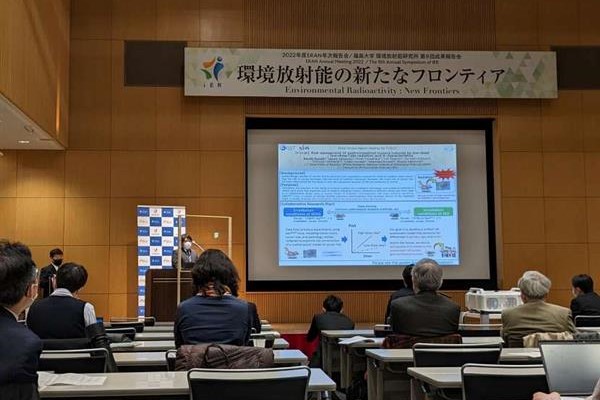
The FY2022 ERAN Annual Report Meeting was held in a hybrid format on February 13, 2023. A total of 261 participants attended the meeting, including 173 on-site participants and 88 online participants.

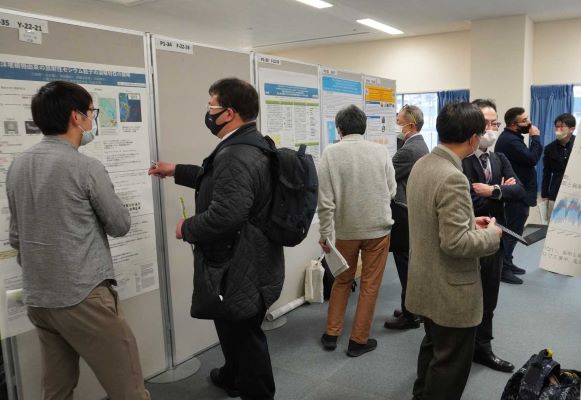
At Corasse Fukushima, the on-site program featured oral presentations, discussions, 151 poster presentations, and flash talks. Online participants joined the poster sessions via Remo, while all other online sessions were conducted via Zoom.

In addition, the Young Scientist Award, established for the first time this year to recognize outstanding poster presentations by early-career researchers, was presented to the following three recipients:

  • Maki Honda (Japan Atomic Energy Agency)
    Accelerator Mass Spectrometry of 90Sr in Environmental Samples Collected Around Nuclear Power Plants
  • Yoshiaki Morioka (Fukushima Prefectural Fisheries Resources Research Institute)
    Radiocesium Concentrations in Fish and Their Prey Organisms in Matsukawaura Lagoon, Fukushima Prefecture
  • Hikaru Miura (Central Research Institute of Electric Power Industry)
    Elucidation of the Dissolution Characteristics of Radiocesium-bearing Particles Derived from Marine Sediments

(Listed in no particular order.)

We look forward to the continued success and achievements of our early-career researchers.

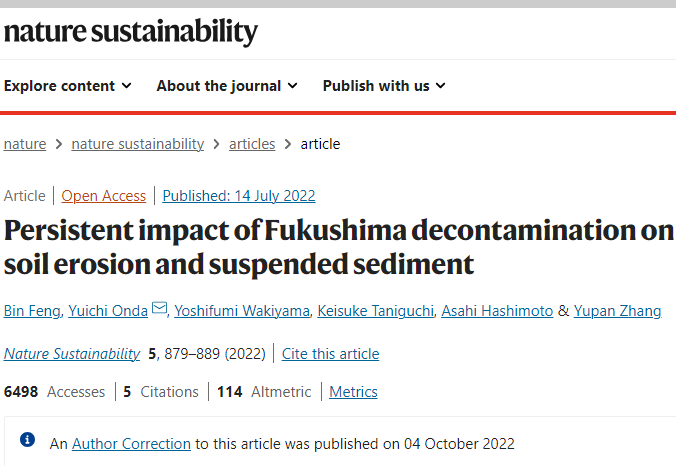
Paper Published in Nature Sustainability

First Assessment of the Downstream Impacts of Post-Fukushima Decontamination
– Temporary Increase in Sediment Discharge Mitigated by Reduced Radiocesium Concentrations and Vegetation Recovery –

The release of radioactive materials resulting from nuclear activities and nuclear accidents poses serious threats to both the environment and the economy. Following the accident at the Fukushima Daiichi Nuclear Power Plant, large quantities of radioactive materials containing radiocesium, which has a relatively long half-life, were released into the environment. Government-led decontamination successfully reduced radiation risks by removing radiocesium-contaminated surface soil. However, the long-term impacts of these decontamination activities on downstream environments had remained unclear.

Large-scale decontamination was carried out from 2012 in areas centered on the difficult-to-return zones of Fukushima Prefecture. During the decontamination process, approximately 5 cm of topsoil and vegetation were removed and replaced with uncontaminated soil, resulting in a temporary reduction in land cover. Over the following years, vegetation gradually recovered, restoring land cover in the decontaminated areas. Understanding how these dramatic land-cover changes affected sediment transport and radiocesium dynamics is essential for evaluating environmental sustainability.

In this study, the researchers comprehensively evaluated how land-cover changes caused by agricultural decontamination influenced suspended sediment and particulate ¹³⁷Cs transport in the Niida River catchment, Fukushima Prefecture (Figure 1), where large-scale farmland decontamination was conducted.

Maps showing the progression of decontaminated areas were created using official government decontamination records. Vegetation recovery was monitored using the Normalized Difference Vegetation Index (NDVI) derived from satellite imagery. To assess river responses, long-term field observations covering both the decontamination period (2013–2016) and the natural recovery period (2017–2018) were conducted. River discharge, turbidity (measured at 10-minute intervals), and particulate ¹³⁷Cs concentrations were continuously monitored at four observation sites, including two upstream and two downstream locations.

By integrating these long-term monitoring data with remote sensing analyses, the study systematically clarified how long-term land-cover changes in upstream decontaminated areas affected downstream river environments and the transport of ¹³⁷Cs to the Pacific Ocean.

Although reducing radiation exposure was the highest priority of the Fukushima decontamination program, the large-scale land modification required careful consideration of downstream environmental impacts. The study found that downstream impacts were relatively short-lived and limited because of both the substantial reduction in ¹³⁷Cs concentrations following decontamination and the rapid recovery of vegetation promoted by Fukushima’s humid climate. At the same time, the findings demonstrate that large-scale land modification does not necessarily minimize downstream impacts under all conditions. When similar remediation measures are considered for radioactive or other environmental contaminants in the future, it will be important to evaluate local vegetation recovery potential in advance and implement appropriate revegetation measures to minimize impacts on downstream environmental sustainability.

Paper Information

Title:Persistent impact of Fukushima decontamination on soil erosion and suspended sediment
Authors:Bin Feng, Yuichi Onda*, Yoshifumi Wakiyama, Keisuke Taniguchi, Asahi Hashimoto, Yupan Zhang
Journal:Nature Sustainability
Published:July 14, 2022
DOI:10.1038/s41893-022-00924-6

Related Links

  • Press Release (PDF) (This link will open the University of Tsukuba website.)
    Principal Investigator 

    Yuichi Onda
    Professor
    Faculty of Life and Environmental Sciences / Center for Research in Isotopes and Environmental Dynamics (CRiED)
    University of Tsukuba

2022 ERAN Kick-off Meeting Report

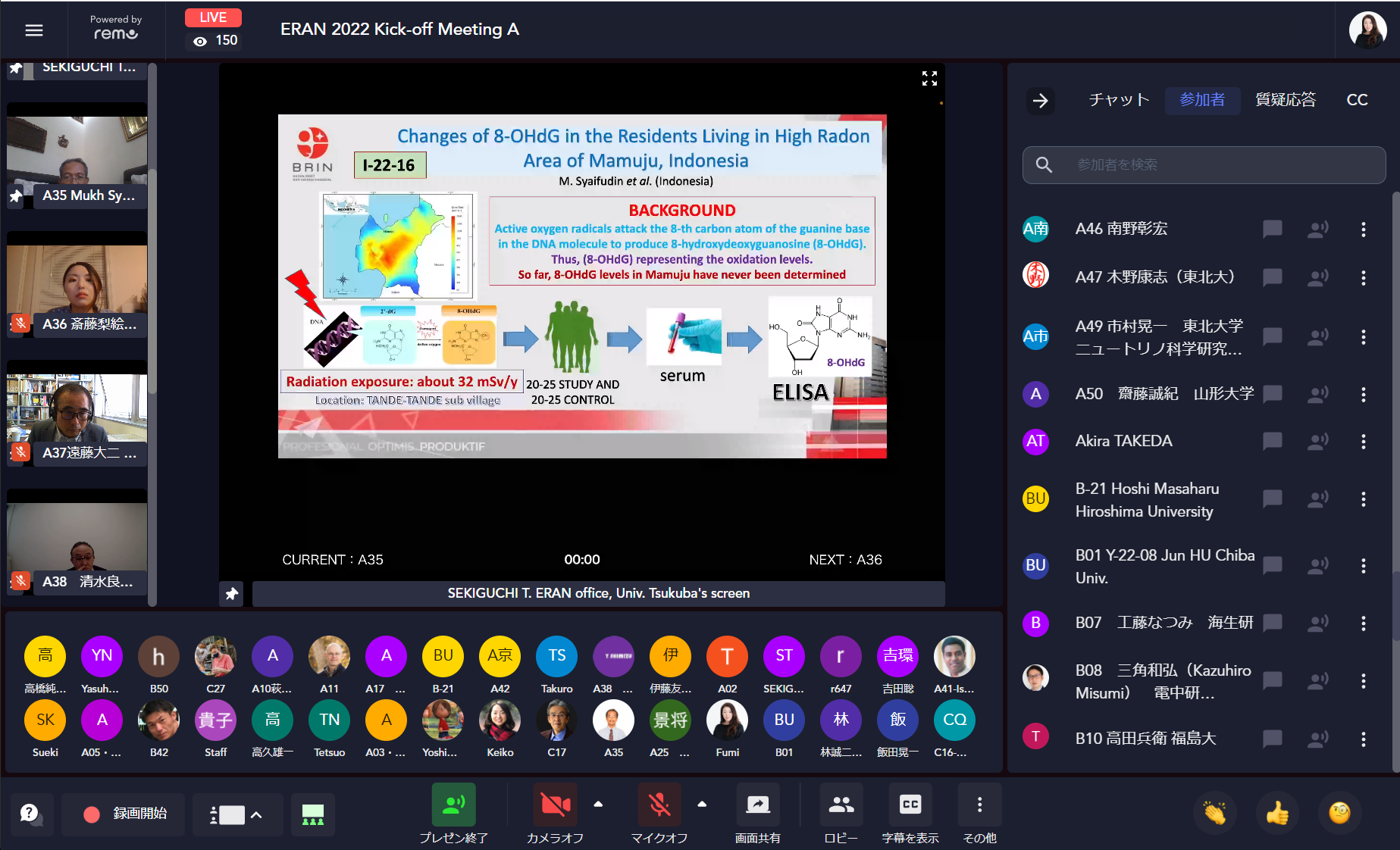
Although this year’s meeting was held online once again, more than 150 poster presentations were presented, leading to lively discussions among participants.
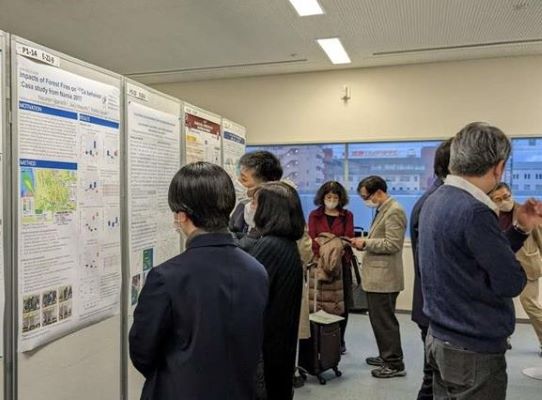
Collaborative research projects covering a wide range of research fields were selected, and we look forward to their continued progress and future achievements.


FY2021 ERAN Annual Report Meeting Report

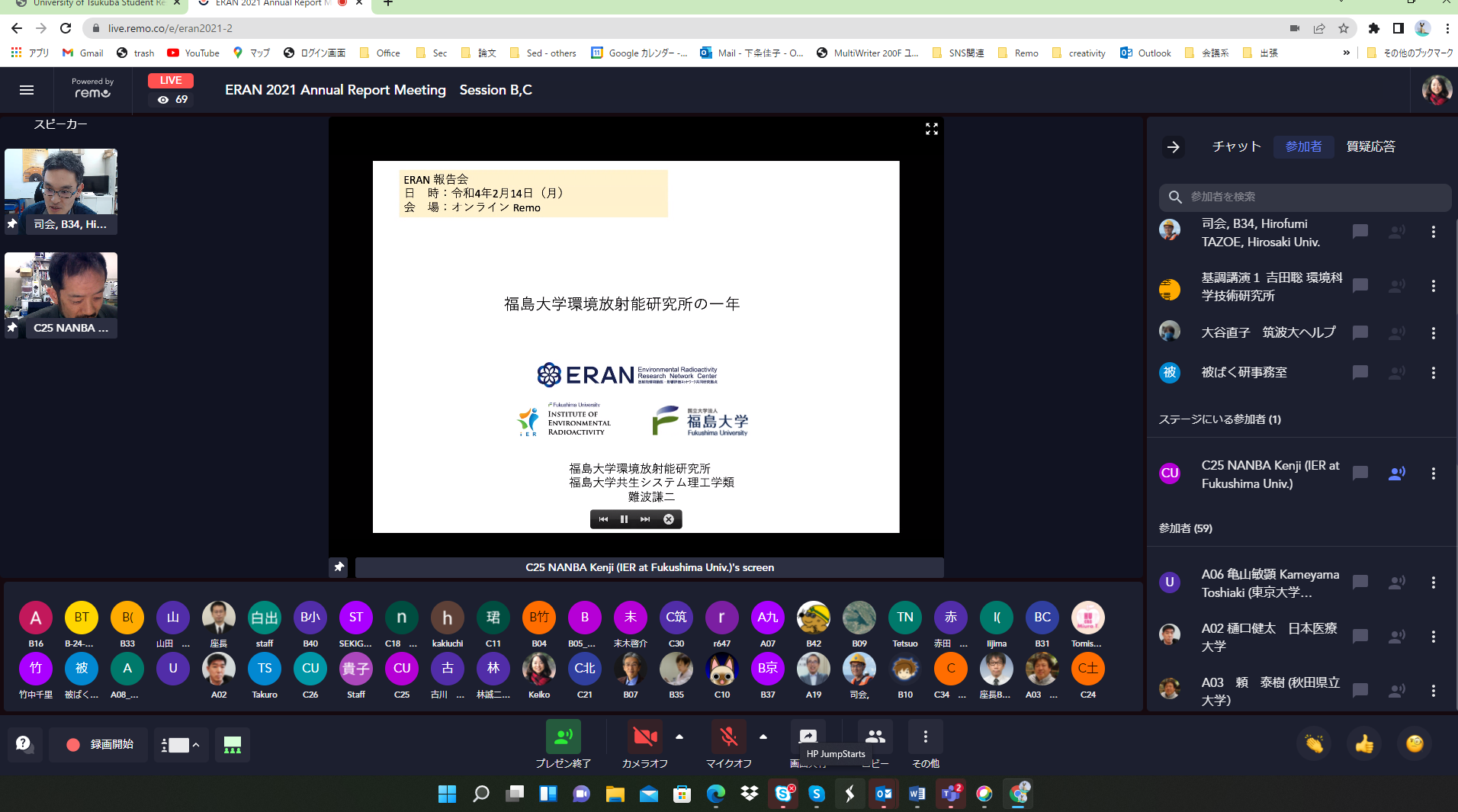
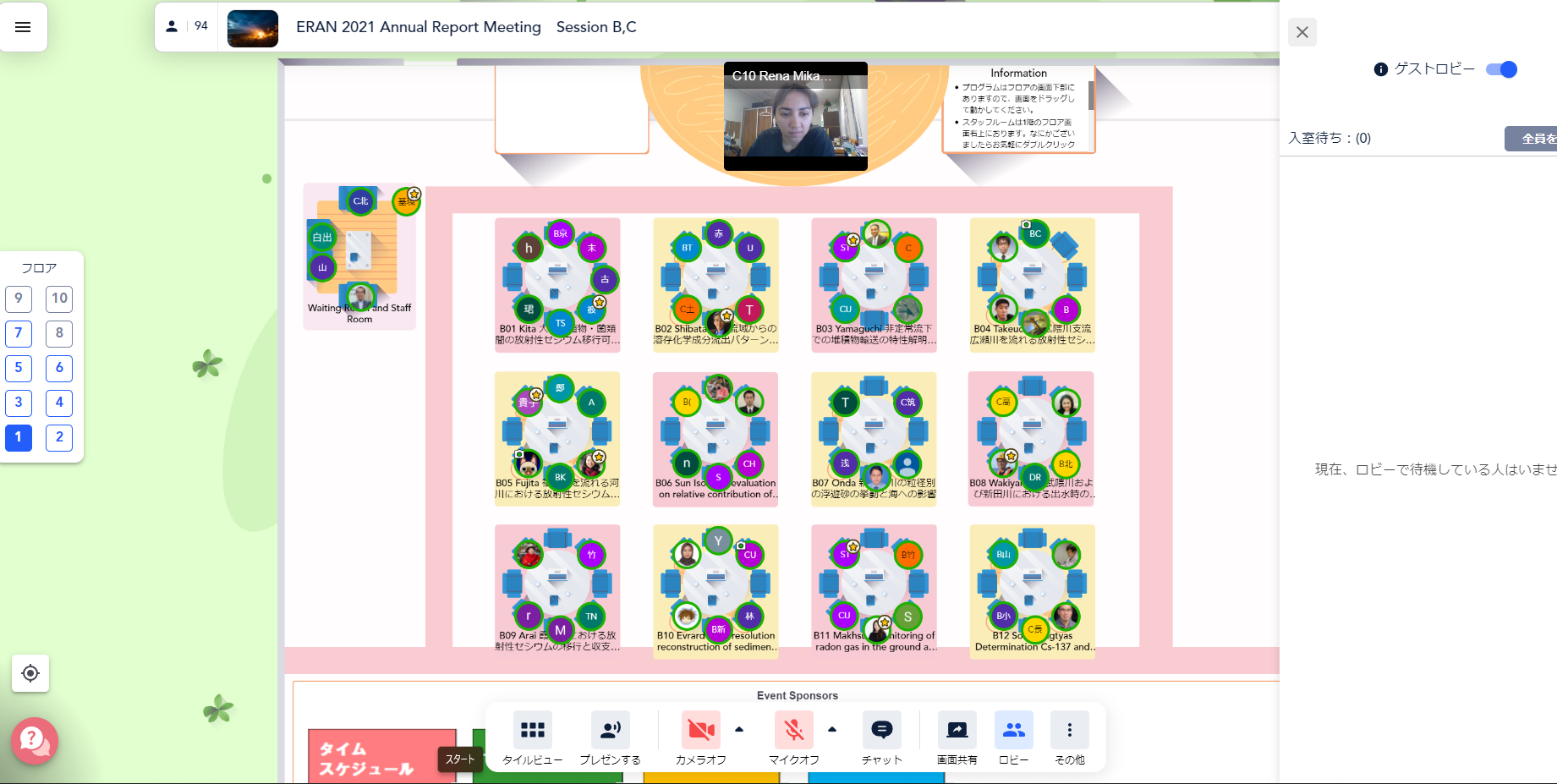
The FY2021 ERAN Annual Report Meeting was held on February 14, 2022.

Although the meeting was held online again this year, it attracted 161 participants from 11 countries and regions, including 39 international researchers. Active discussions took place during the 126 poster presentations.