AIを活用した論文作成のワークショップを開催
AIを活用した論文作成のワークショップを開催
― 研究者の創造性を支え、学術成果の発信を加速 ―
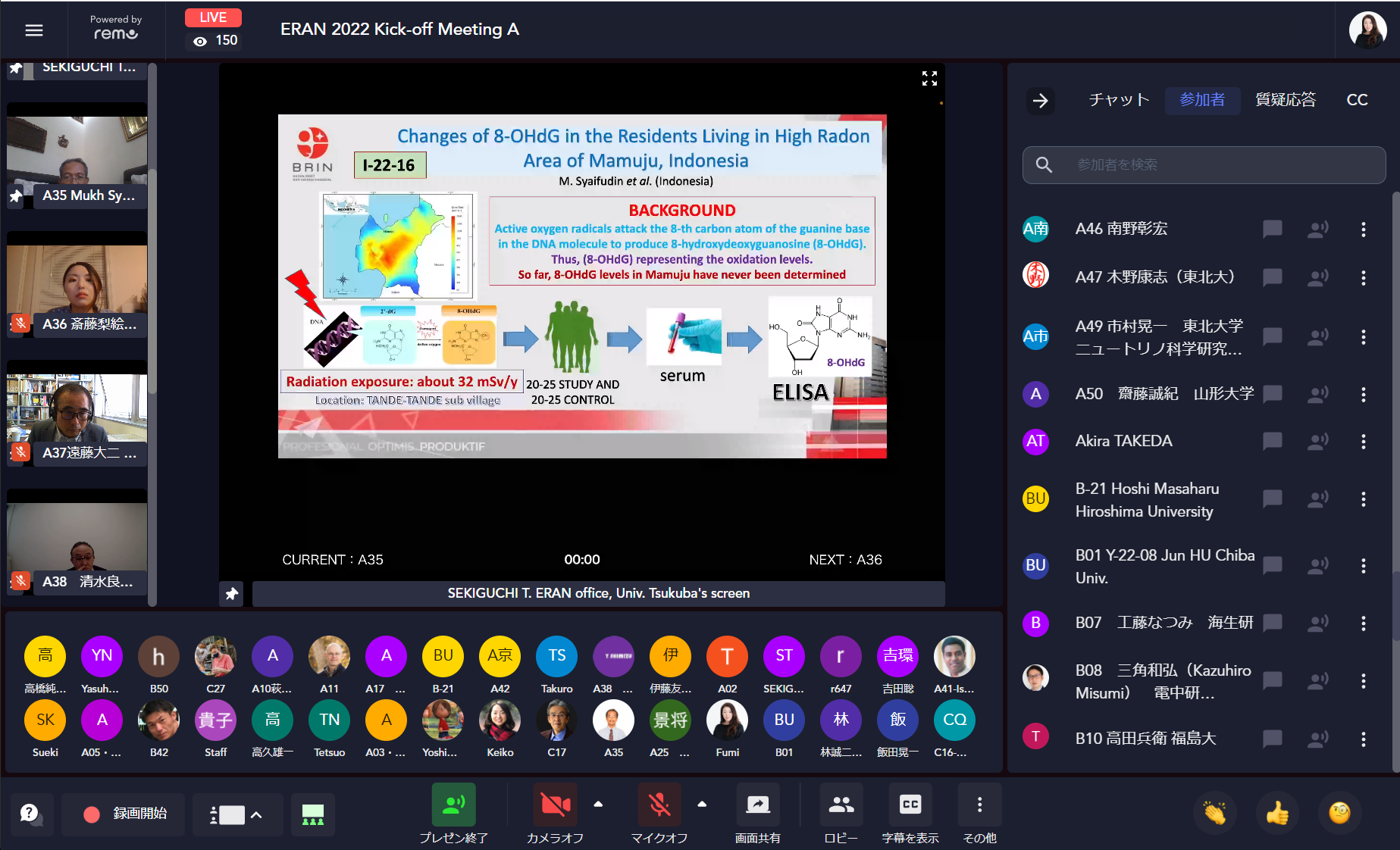
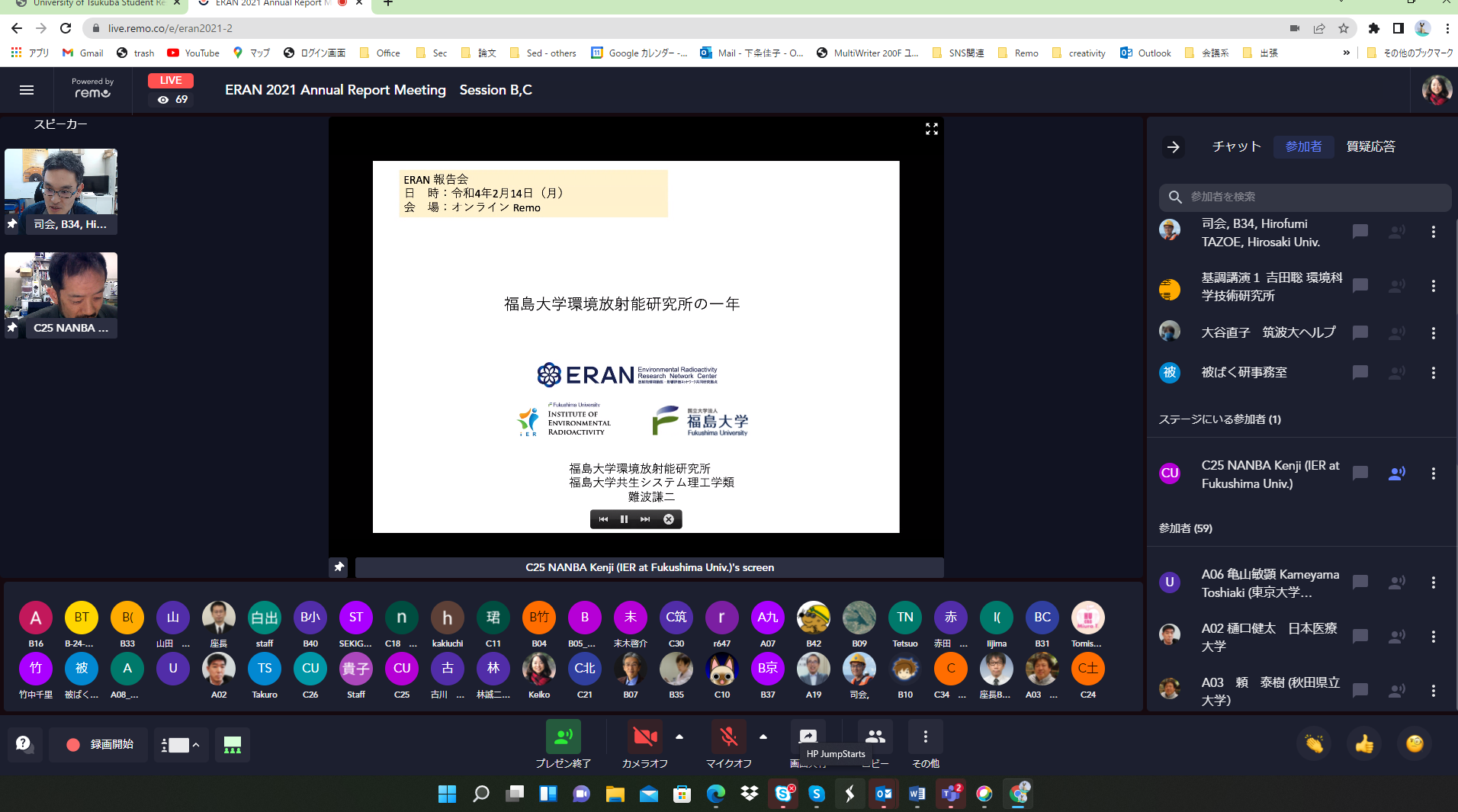
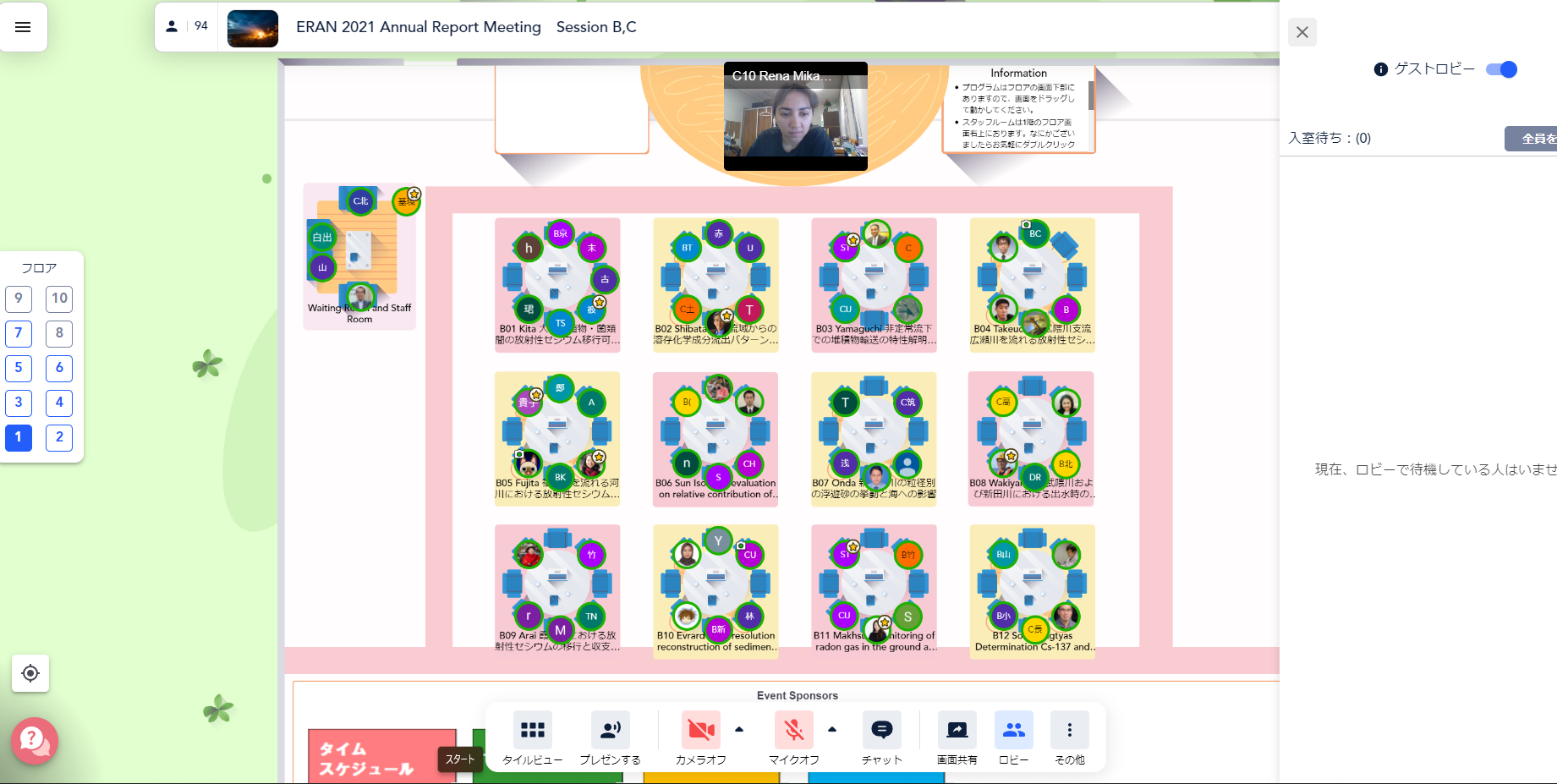
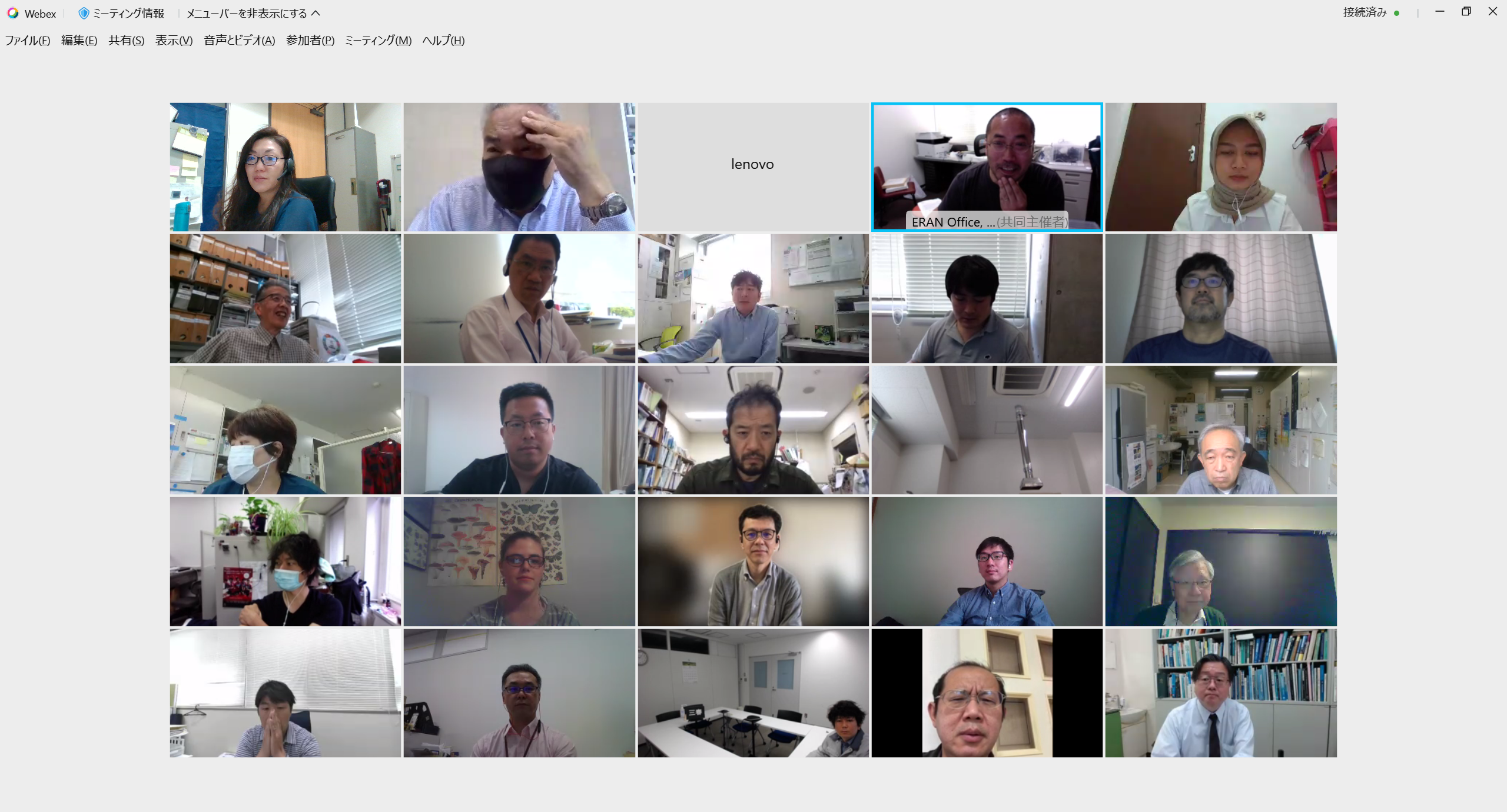
筑波大学放射線・アイソトープ地球システム研究センター(CRiES)と環境科学技術研究所(IES)は、環境放射能研究ネットワーク(ERAN)の枠組みを通じて協働し、2025年12月5日にIESにて「AIを活用した効率的な論文作成術」と題したワークショップを開催しました。
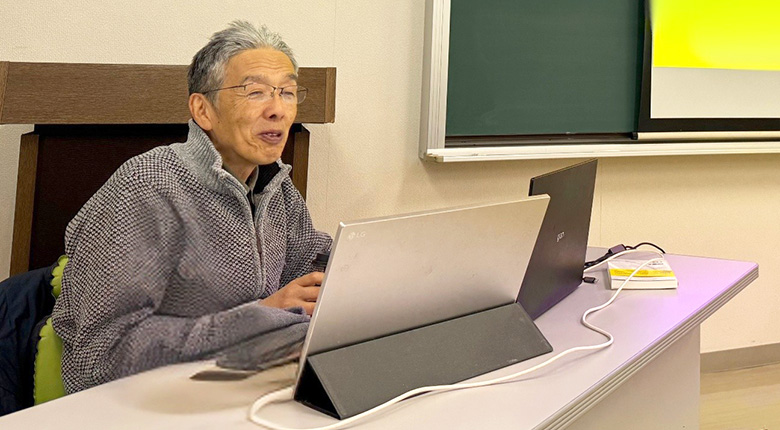
本勉強会では、恩田教授によるAI活用の基本的な流れの紹介に続き、参加者が事前に用意した資料を用いて、生成AIで実際に論文を組み立てる実践的なワークショップを行いました。参加者同士がアイデアを共有し、互いに学び合いながら、より良い作成方法を探ることを重視した取り組みとなりました。
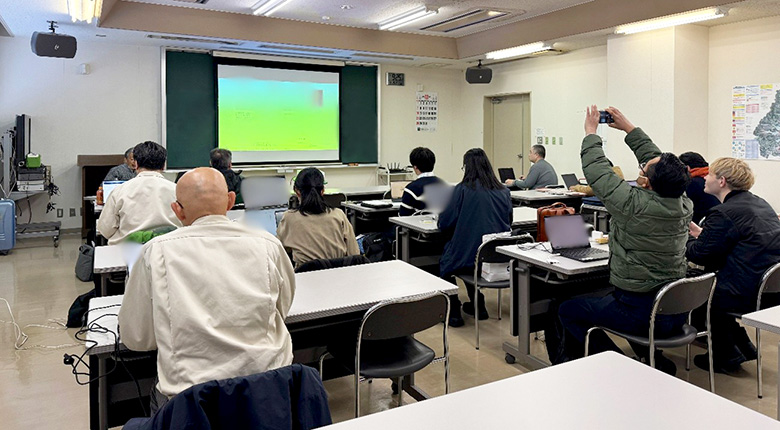
当日は多数の研究者・学生が参加し、ChatGPT、Microsoft Copilot、Google Gemini、Nature Research Assistant など複数のAIツールを実際に操作しながら、論文構成の作成、英語表現のブラッシュアップ、データ解析、査読コメント対応まで、一連の学術執筆プロセスを体験しました。
■参加者の声(抜粋)
参加者からは、AIが研究者の創造的作業を支援する強力なツールであることを実感したという声が多数寄せられました。
- 「PPTやポスターから論文の原稿を生成できるとは思わなかった。
筆が止まっていた論文にも再び着手できそうだ」 - 「ChatGPT と Nature Research Assistant を組み合わせれば、論文構造の改善や関連文献探索まで一気に進む」
- 「Copilot が Word や Excel と連携して図表をそのまま仕上げられることに驚いた。
研究データの解析にも使えそうだ」 - 「AIとの“壁打ち”が思考を整理してくれる。
孤独な論文執筆が、対話を通じて前向きな作業に変わった」 - 「データ解析のコードデバッグにもAIが使えるのは非常に実用的。
エラーメッセージから複数の解決策が得られるのが良い」 - 「生成AIを初めて使ったが、初心者にも分かりやすい内容で、
途中で ChatGPT Plus にアップグレードした」 - 「セキュリティや研究データの扱いについても理解が深まり、
安心して活用するための基礎知識を得られた」
研究分野を越えて、参加者からは「学術執筆のハードルが下がった」「AIを研究の伴走者として利用する発想が得られた」といった前向きな意見が多く聞かれました。
■勉強会の意義と今後の展望
本勉強会は、生成AIが研究現場にもたらす革新性を体験し、
「研究者が主体的にAIを使いこなす」ための基盤づくり を目的としています。
AIは論文執筆そのものだけでなく、
- 研究プロジェクトのアイデア創出
- データ解析・図表作成
- 国際誌向けの英語表現の最適化
- 査読プロセスでのコミュニケーション補助
といった幅広い領域で活用できることが明らかになりました。
今後もERANでは、研究者の皆様がAIツールを安全かつ効果的に活用し、学術成果の発信力向上を図るため、今回のようなワークショップの場を提供していく予定です。
■ お問い合わせ
環境放射能研究ネットワーク(ERAN)事務局
筑波大学 放射線・アイソトープ地球システム研究センター(CRiES)
Workshop on AI-Powered Academic Writing
— Supporting Researchers’ Creativity and Accelerating Scholarly Communication —
The Center for Research in Radiation, Isotopes, and Earth System Sciences (CRiES) and the Institute for Environmental Sciences (IES), in collaboration through the Environmental Radioactivity Research Network (ERAN), hosted a workshop titled “Effective Academic Writing with AI” on December 5, 2025, at IES.
The session began with an introduction by Professor Onda on the fundamental workflow of AI utilization, followed by a hands-on workshop where participants used pre-prepared materials to assemble research papers with generative AI tools. The event emphasized idea-sharing and peer learning, fostering an environment where participants explored better writing strategies together.
A large number of researchers and students attended, actively engaging with multiple AI tools such as ChatGPT, Microsoft Copilot, Google Gemini, and Nature Research Assistant. Participants experienced the entire academic writing process—from structuring manuscripts and refining English expressions to data analysis and responding to peer-review comments—while operating these tools in real time.
Voices from Participants
Many participants expressed that AI is a powerful tool to support researchers’ creative work:
- “I never imagined generating a manuscript from PPT slides or posters. This will help me resume work on papers I had put aside.”
- “Combining ChatGPT and Nature Research Assistant allows me to improve paper structure and search related literature seamlessly.”
- “I was amazed that Copilot integrates with Word and Excel to finalize figures and tables. It seems useful for data analysis too.”
- “Brainstorming with AI helped organize my thoughts. Writing no longer feels like a solitary task—it became a positive, interactive process.”
- “AI-assisted debugging for data analysis code is extremely practical. Getting multiple solutions from error messages is a game-changer.”
- “It was my first time using generative AI, and the content was beginner-friendly. I even upgraded to ChatGPT Plus during the session.”
- “I gained a deeper understanding of security and data handling, which is essential for safe and confident AI use.”
Across disciplines, participants shared positive feedback such as “The barriers to academic writing have been lowered” and “I now see AI as a collaborative partner in research.”
Significance and Future Outlook
This workshop aimed to provide researchers with a foundation for “proactively mastering AI tools” and to experience the transformative potential of generative AI in research environments. AI applications extend beyond manuscript writing to:
- Generating research project ideas
- Data analysis and figure preparation
- Optimizing English for international journals
- Supporting communication during peer review
ERAN will continue to offer workshops like this to help researchers leverage AI tools safely and effectively, enhancing the global impact of their scholarly work.
Contact
Environmental Radioactivity Research Network (ERAN) Secretariat
Center for Research in Radiation, Isotopes, and Earth System Sciences(CRiES), University of Tsukuba